Reviewed 22 October 2026. Amazon Leo may become another option for rural properties, but a rural postcode alone does not establish suitability or availability. The right choice depends on the service offered at your address and how the property uses the connection.
Check the available alternatives first
Compare the actual offers for fibre, fixed wireless, 4G/5G broadband and satellite internet at the property. Rural broadband conditions vary considerably: do not assume that every farm or village has poor fixed-line service.
For mobile or fixed wireless options, assess the signal at the intended equipment location and the relevant data policy. For satellite options, consider sky visibility and the installation requirements. Compare recurring charges, hardware, setup work and the support you need.
The official Amazon Leo UK website offers an updates list at this review. Check our availability explainer before treating Leo as a connection you can order immediately.
Trees, terrain and the mounting position
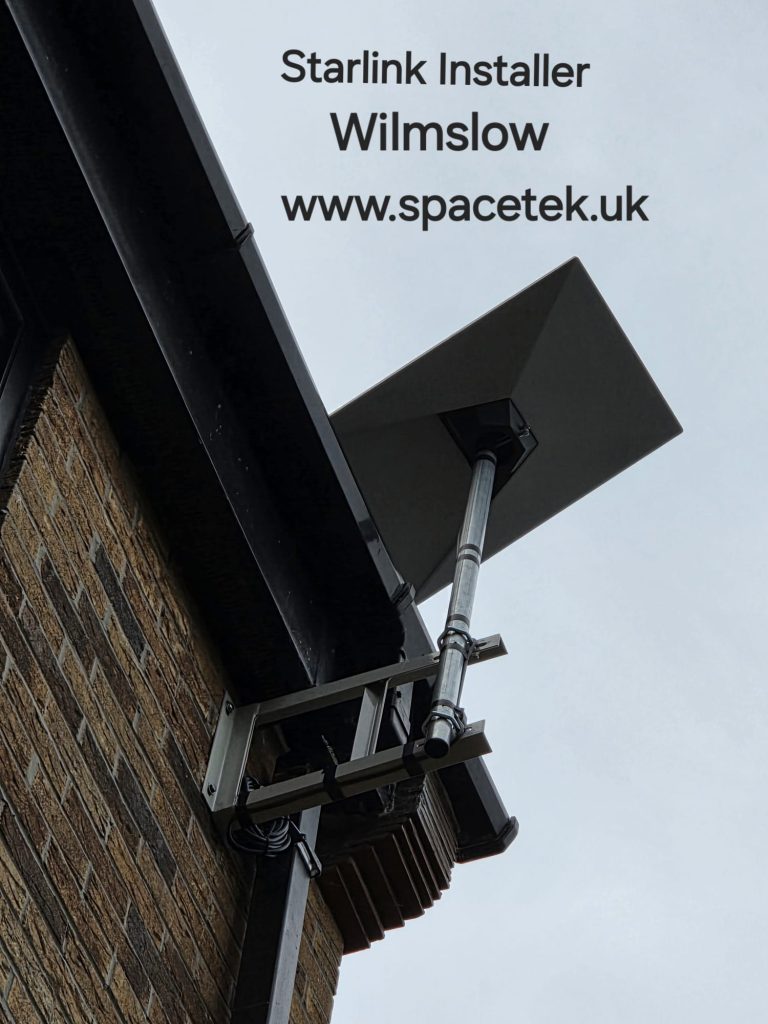
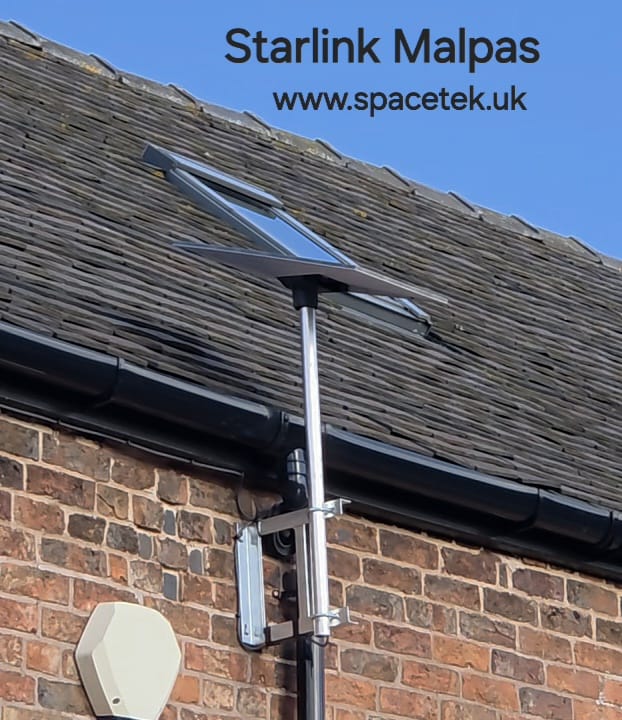
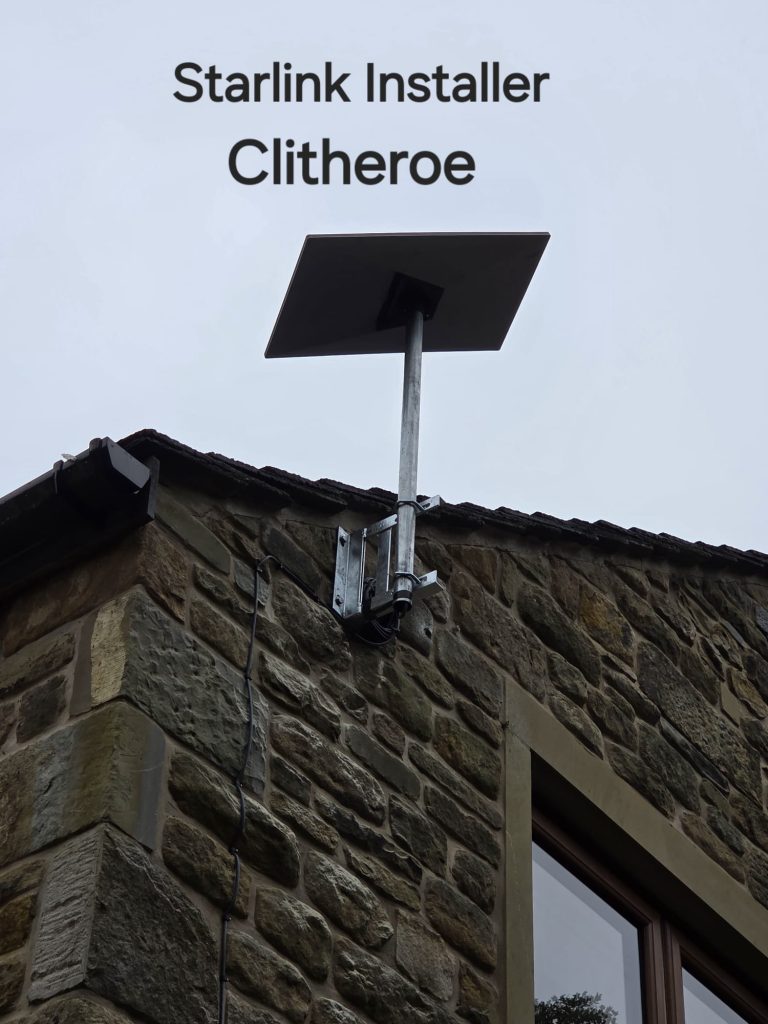
Photograph the surroundings of possible terminal positions, including nearby trees and buildings. A view that appears open from a doorway may be obstructed from the intended mount. Seasonal foliage and future tree growth also deserve consideration.
The final site assessment must use the instructions for the supplied terminal. Avoid choosing a long pole, roof position or tree work simply because another property used it. Installation choices should reflect the structure, safe access and the required sky view.
Getting internet beyond the farmhouse
Write down every building and outdoor area that needs a connection. A satellite terminal at the house does not automatically provide Wi-Fi in a barn, workshop, holiday let or yard.
For each location, record its distance, power availability and current cabling. The network may need wired access points or a suitably planned wireless link. Metal cladding and thick masonry can change what will work, so a coverage plan is more useful than assuming a newer router will reach everywhere.
Keep guest access and business equipment requirements separate when discussing a network for holiday accommodation or a working farm.
Power and essential business tasks
Satellite equipment and the indoor network both need electricity. A service that avoids the local telephone line can still stop during a power cut. If continuity matters, discuss suitable backup power and an independent backup connection with the people responsible for your network.
List the tasks that matter most: payment terminals, cloud records, calls, uploads or remote monitoring. Ask the provider about relevant service conditions, then test those tasks after installation. Do not use an advertised peak speed as a guarantee for every application.
What can you do now?
Gather site photographs, note which buildings need coverage and keep details of your current service. Use the Leo preparation checklist to organise that information. Wait for confirmed hardware requirements before paying for permanent provider-specific equipment.
If you need connectivity sooner, compare currently available services using our Starlink and Amazon Leo decision guide. For installation planning, our guide to Starlink on farms and rural businesses gives further practical questions to consider.
Will satellite performance be the same on every rural property?
No. Location, obstructions, service conditions and the local network all matter. A suitability assessment is specific to the property.
Can I keep my current broadband as backup?
Potentially. An automatic backup arrangement needs suitable routing equipment, configuration and testing; simply having two subscriptions does not create automatic failover.